

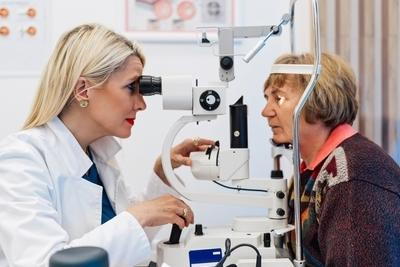
Your first ophthalmology appointment marks the start of ongoing eye care. Ophthalmologists diagnose and treat eye conditions, and they use science-based technology to guide each step. Discuss details on paperwork, examinations, and follow-up planning, since you need to make informed decisions.
Gather Your Medical Records
If you wear contact lenses, note how long you wear them each day, because extended wear can affect eye health over time. Let your ophthalmologist know if your eyes are dry, itchy, or sensitive to light. These details can point to underlying conditions. Some patients also experience difficulty reading small print or adjusting to low light, and these changes are worth mentioning. Sharing a full picture of your daily vision experience helps your ophthalmologist identify patterns and prioritize the right tests:
- Bring your current glasses, contact lens prescription, and any recent vision test results.
- List all medications, including those for blood pressure, diabetes, or other chronic conditions.
- Note any past eye injuries, surgeries, or procedures.
- Record symptoms such as blurry vision, halos, floaters, eye pain, or light sensitivity.
- Mention relevant family history, including glaucoma or macular degeneration.
- Share how long you wear contact lenses daily, if applicable.
- Inform your care team early if you have diabetes, so a diabetic eye exam can be included.
Understand Your Eye Examinations
The core of your visit is the eye examination, and it typically involves several structured steps. The ophthalmologist tests your vision, and this step identifies whether vision correction may help. A technician often begins by measuring visual acuity before the physician reviews the results. Visual acuity testing uses a standard eye chart. You will read letters at varying sizes from a set distance. This test measures how clearly each eye sees, and it gives the physician a starting point for further evaluation.
If your vision is reduced, the technician may test different lens strengths to determine the right correction. The test is quick and painless, and it takes only a few seconds per eye. Color vision and depth perception may be checked as well, depending on your symptoms and history. Each test adds detail to your overall eye health, and together they guide the physician toward an accurate assessment. The physician examines the eye’s structures. Drops may dilate your pupils, allowing a clearer view of the retina and optic nerve.
Review Your Treatment Recommendations
After the examination, the ophthalmologist discusses findings with you directly. You receive a clear explanation of your eye health, and the physician outlines any conditions detected during the exam. The physician uses straightforward language to describe what was found, which helps you understand your results without needing a medical background. Your physician will explain how lens implants or premium intraocular lenses work if eye surgery is appropriate. The physician may also provide printed materials or online resources to help you stay informed between visits. Recommendations depend on your results, and your physician will walk you through each one clearly. Some patients need only routine monitoring, while others require treatment or referral to a specialist.
Book an Ophthalmologist Today
Your first visit establishes a baseline for future care. It combines record review, examination, and clear recommendations, since each step supports early detection of conditions like glaucoma and cataracts. Prepare your records in advance, and arrange your transportation in case dilation blurs your vision.
