

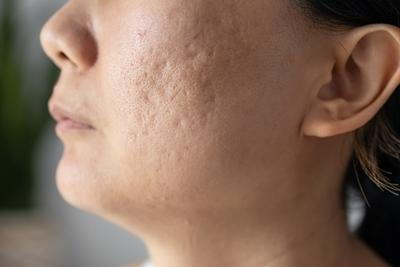
Acne may leave lasting marks when breakouts are severe, inflamed, or repeatedly picked. While not every breakout will lead to scarring, early treatment and proper skin care can reduce the risk of long-term changes in skin texture and tone. Here is a closer look at how to prevent acne scarring:
Treat Acne Early
Treating acne early gives your skin a better chance to heal without lasting marks. When you act fast, you reduce the swelling that often leads to scars, and you give clogged pores time to clear. Mild breakouts respond well to gentle care, but deeper bumps may need stronger support. Here are a few helpful steps that can target acne before it worsens:
- Cleanse twice daily: A gentle wash removes oil and dirt that clog pores, and it keeps your skin calm.
- Use targeted products: Choose treatments containing ingredients like benzoyl peroxide to help reduce active pimples.
- Stay consistent: Skipping days allows breakouts to return, so a regular schedule may help your skin stay clear.
Incorporating these steps into your daily skincare routine can help you manage acne and support clear and healthy skin over time.
Avoiding Picking and Popping Breakouts
Picking and popping pimples is one of the fastest ways to cause scarring. When you squeeze a bump, you may push bacteria deeper and damage the surrounding skin. This added trauma raises the risk of dark spots and pitted scars that linger. Keeping your hands away from your face takes practice, but it pays off. Try to replace the picking habit with calmer actions. You may apply a spot patch to cover the pimple and keep your fingers from reaching it. Touching your face less also keeps oil and germs away, and that supports faster healing.
Protect Healing Skin
Once a breakout calms, your skin enters a healing stage that needs gentle support. The marks left behind are fragile, and harsh products often make them worse. Treating this stage with care helps reduce the chance of lasting scars. Sun exposure is a major factor during healing. The sun can darken fresh marks, so daily protection matters for anyone recovering from acne. A broad-spectrum sunscreen shields your skin and keeps spots from darkening over time.
Hydration plays a fundamental role too. Dry skin often heals more slowly, but a light moisturizer can keep the surface soft and balanced. Choose products labeled non-comedogenic, which means they will not clog your pores.
Review Professional Scar Prevention
A professional offers extra support. Dermatologists assess your skin type and acne severity, and they recommend treatments that match your needs. This is helpful for people with deep cysts, nodules, or breakouts that keep returning. Pregnant people and adults with hormone-related acne may need personalized advice. Some treatments are not safe during pregnancy, so a professional can point you toward options that align with your situation. Here are some methods often discussed during a consultation:
- Prescription treatments: Stronger creams or oral options target stubborn acne that resists store-bought products.
- Chemical peels: These remove the top layer of skin and may fade dark marks over time.
- Laser and light therapy: These techniques use focused light energy to target acne scars, minimize redness, and improve overall skin texture.
Consulting a dermatologist can help determine the most effective acne treatment plan tailored to individual skin needs.
Schedule Your Acne Consultation Today
Managing acne requires a combination of approaches tailored to individual needs. Preventing acne scars begins with early treatment, gentle handling, and continuous protection during healing. Consulting with a professional makes sure you receive personalized recommendations and safe guidance based on your health history. Contact a qualified dermatologist near you to schedule your acne consultation today.
