

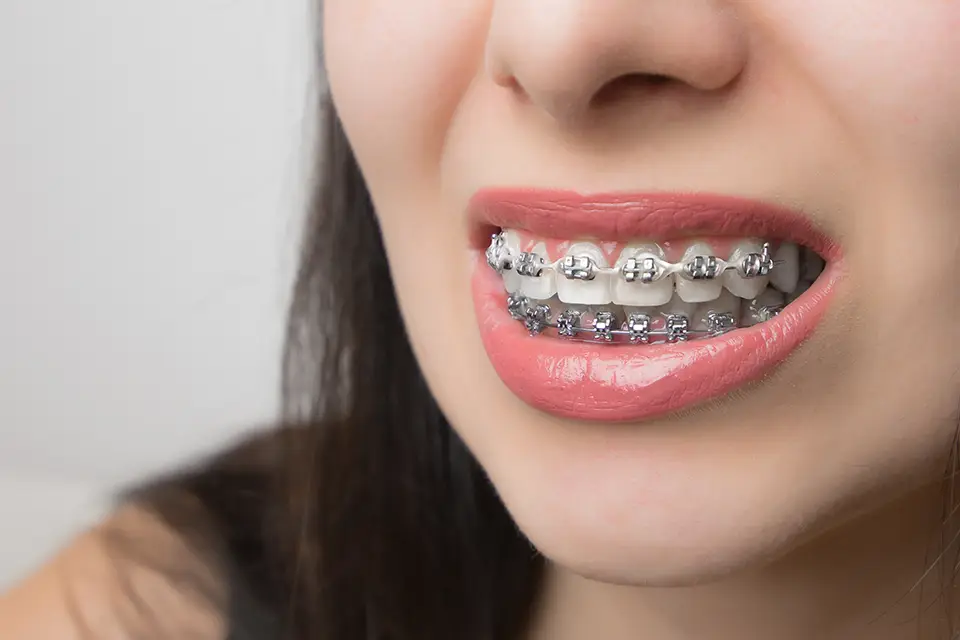
Braces correct alignment concerns, improve bite function, and support long-term oral health. While treatment offers meaningful cosmetic and functional benefits, adults should also review factors such as treatment time, comfort, and daily care requirements. Here is an overview of the pros and cons of braces for adults:
Understanding How Braces Work
Braces use gentle and steady pressure to move teeth into better positions over time. An orthodontist maps out a plan based on your bite, teeth, and goals, and you follow it through regular check-ins. The tools may differ, but the core process stays the same across age groups. Here are the main types of braces for adults you may come across:
- Metal braces: Traditional brackets and wires are attached to the front surfaces of your teeth.
- Ceramic braces: These work like metal braces, but the tooth-colored brackets blend in more, making them a less noticeable pick.
- Clear aligners: Removable and see-through trays are used to move teeth in stages, and you swap them out every couple of weeks.
Each option has its own timeline, so consulting an orthodontist helps you match the method to your needs.
Exploring the Benefits of Braces
The clearest benefit of braces for adults is a straighter smile. Straighter teeth are often easier to clean, and a well-aligned bite can make chewing more comfortable. Modern options also give you flexibility. Clear aligners and ceramic braces offer discreet ways to straighten teeth, so you can smile at work or in photos without drawing attention. Timing works in your favor because you make the choice as an informed adult. You understand the commitment, follow the plan closely, and show up for appointments on your own schedule.
Reviewing Treatment Challenges
Adult treatment also comes with a few challenges worth reviewing before you begin. Knowing these factors early helps you plan and set realistic expectations. Here are the challenges adults most often face:
- Longer timelines: Adult bone has stopped growing, so teeth may shift more slowly than they do in younger patients.
- Lifestyle adjustments: You may need to change how you eat, and cleaning around brackets or trays takes extra effort each day.
- Existing dental work: Crowns, bridges, or gum concerns can affect how treatment moves forward.
These points do not rule out treatment, but they do call for honest planning with your orthodontist. When you understand the trade-offs, you can make an informed decision and avoid surprises down the road.
Protecting Results
Finishing treatment is a milestone, but the work does not stop the moment your braces come off. Teeth can move back toward their old places, so a retainer plays a key role in holding your new smile in place. Your orthodontist will fit you with a retainer and explain how often to wear it.
Daily care keeps both your teeth and your retainer in good shape over the long term. Brush and floss on a regular schedule, clean your retainer as directed, and keep up with your routine dental visits. Follow-up appointments give your orthodontist a chance to check your progress after treatment ends. They can identify small shifts early and adjust your retainer plan if needed.
Explore Braces for Adults Today
Braces offer a practical approach to straighter teeth, with discreet options like clear aligners that align with modern lifestyles. Maintaining your orthodontic results requires a commitment to good habits and regular follow-up care. Routine check-ins with your orthodontist make sure potential changes are addressed early. Contact a qualified orthodontist near you to schedule your appointment and explore available braces for adults options today.
