

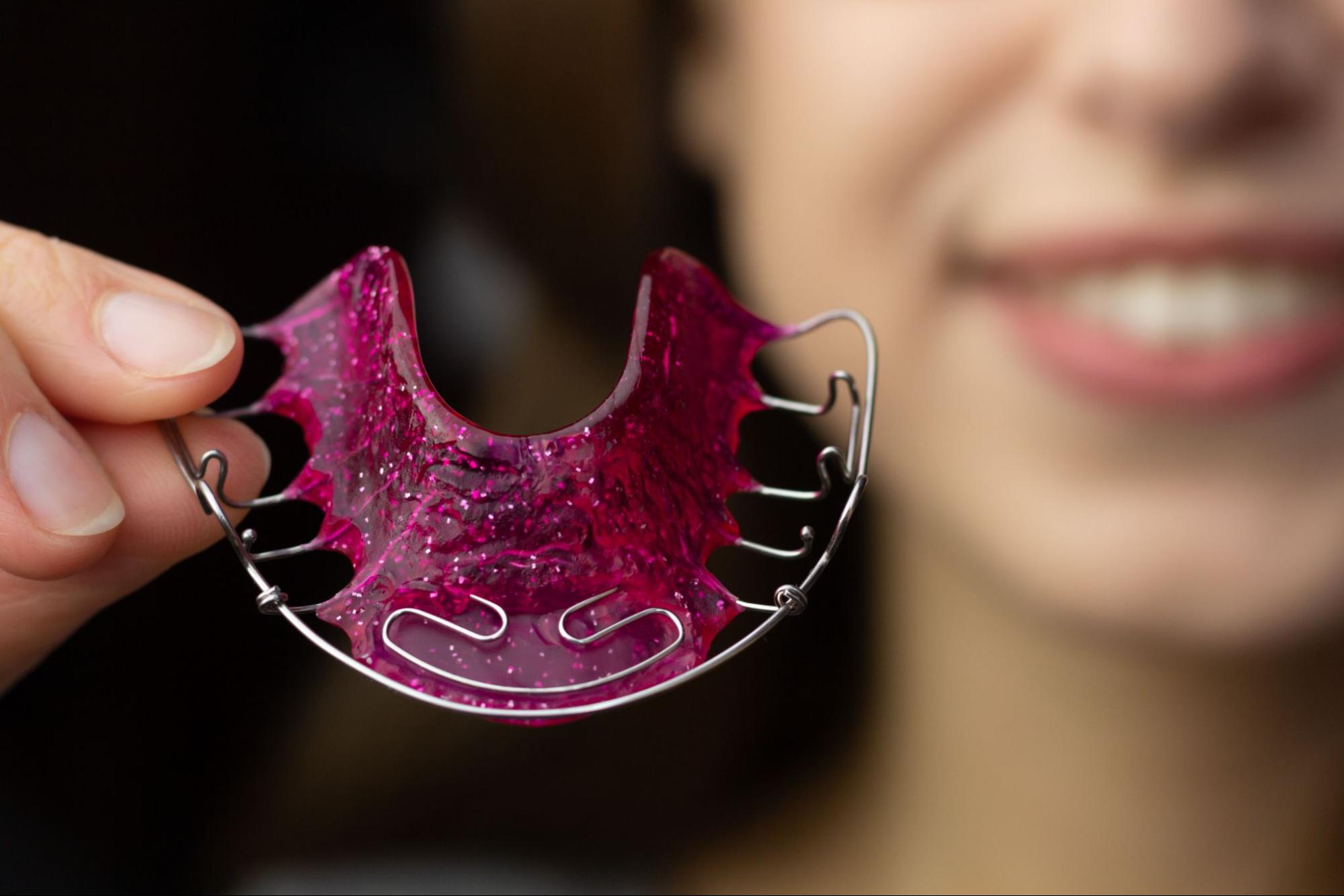
Orthodontics is the branch of dentistry, and devices preserve the position of teeth and jaws. Your orthodontist moves teeth into better alignment, using braces or clear aligners, and after treatment ends, a new phase begins. Retainers hold your results in place, so they play a large role in your treatment. Here is more information on retainers:
Custom-made Devices
Retainers are custom-made devices. Your orthodontist takes an impression or digital scan of your mouth, and a lab builds the retainer to match your teeth. This precise fit keeps the device comfortable during daily wear.
No two retainers are identical. Each one reflects your unique tooth shape and bite, and the design follows your treatment plan. Since your mouth changes over time, your orthodontics team may update the device.
Preserved Tooth Positions
Teeth tend to shift after braces come off. A retainer holds them steady, and it stops them from drifting back to their old spots. This early period after treatment is when movement happens fastest.
Wearing your retainer as directed keeps your results stable. The bone around your teeth needs time to settle, and the retainer supports that process. You protect your alignment when you follow the schedule your orthodontist sets.
Fixed and removable options exist. A removable retainer lifts out for cleaning, while a fixed one bonds to the back of your teeth. Your orthodontist recommends the type that suits your case, and both work toward the same goal.
Durable Materials
Retainers use durable materials. Manufacturers rely on acrylic, clear plastic, or metal wire, and each choice serves a specific purpose. The material affects how the device looks and feels.
Clear plastic retainers stay discreet. They fit over your teeth like a thin shell, while metal-and-acrylic versions use a sturdy wire across the front. Both types resist normal wear when you handle them with care.
Here are some retainer materials:
- Acrylic: A firm base that molds to the roof of your mouth
- Plastic: A transparent shell that covers the teeth
- Metal wire: A thin band that holds teeth in position
Storage matters for every material. Heat warps plastic, and pets often chew on retainers left within reach. Keep your device in its case when you are not wearing it.
Required Maintenance
Retainers need regular cleaning. Bacteria and plaque build up on the surface, and a dirty retainer carries those germs back into your mouth. A simple routine keeps the device fresh.
Try these steps to care for your retainer:
- Rinse it with lukewarm water after each use
- Brush it gently with a soft toothbrush
- Soak it in a cleaning solution as advised
- Avoid hot water, which distorts the shape
Check the fit often. A retainer that feels tight or loose signals a change, and your orthodontist can examine it during a visit. You catch small problems early when you report them quickly. Regular checkups help your device last longer.
Find an Orthodontics Clinic
A retainer is one part of long-term dental care. Your orthodontist tracks your progress, keeps your treatment on course, and supports your daily habits with professional guidance. Book an appointment with a nearby orthodontics clinic today. Ask about retainer options, cleaning tips, and follow-up visits during your consultation.
