

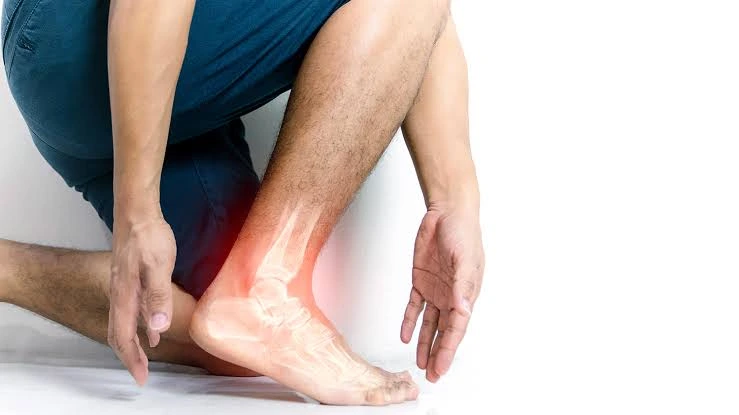
Leg pain can affect people of all ages and may result from a wide range of causes, including poor circulation, muscle strain, prolonged standing, vascular conditions, or underlying medical disorders. Many effective remedies can reduce symptoms and support long-term leg health. Some approaches work at home, while others require the care of a medical specialist. Learn more about effective remedies for leg pain relief.
Wearing Compression Socks
Compression socks are an accessible and effective tool for managing leg discomfort. These specially designed garments apply graduated pressure to the legs. The pressure is strongest at the ankle and gradually decreases toward the knee or thigh.
The compression design helps the veins move blood back toward the heart, which reduces pooling in the lower legs. Compression socks can ease swelling, fatigue, and the heavy sensation that often develops after long periods of sitting or standing. They are particularly helpful for people who travel frequently, work in occupations that require prolonged standing, or have mild venous insufficiency.
Treating Varicose Veins
Varicose veins are a common source of leg pain and can happen to any adult. These enlarged, twisted veins develop when the small valves inside the veins weaken and allow blood to flow backward and collect. The result is often aching, cramping, itching, and a persistent feeling of heaviness in the legs.
Modern treatment options are minimally invasive and are typically performed in an outpatient setting. A vein specialist may recommend one of the following procedures based on the size and location of the affected veins:
- Sclerotherapy: A solution is injected into smaller veins, causing them to close and gradually fade.
- Endovenous thermal ablation: Laser or radiofrequency energy is used to seal larger veins from within.
- Ambulatory phlebectomy: Small surface veins are removed through tiny incisions in the skin.
- Vein adhesive closure: A medical-grade adhesive is used to seal the diseased vein.
Once a damaged vein is closed, blood naturally reroutes through healthier veins. Patients can return to normal activities within a few days and experience noticeable relief from their symptoms.
Doing Regular Leg Exercises
Medical treatment is most effective when it is supported by healthy daily habits like regular exercise. The calf muscles act as a natural pump, contracting with each step to push blood upward through the veins. When these muscles are strong and active, circulation improves and discomfort often decreases.
Low-impact activities such as walking, swimming, and cycling improve circulation without placing excessive strain on the joints. Simple exercises can be performed at home or at a desk; calf raises and leg extensions help activate the lower leg muscles throughout the day. Gentle stretching of leg muscles as well can improve flexibility and reduce muscle tension that contributes to cramping.
Raising Legs While at Rest
Elevating the legs while at rest allows gravity to assist circulation, encouraging blood and fluid to drain from the lower extremities back toward the heart. This simple practice can reduce swelling, relieve pressure, and ease the aching associated with venous conditions. For optimal results, raise your legs above the level of your heart for several minutes, often throughout the day.
Address Your Leg Pain
Compression socks, regular exercise, and leg elevation can provide substantial relief, and medical treatment for varicose veins can address one of the most common underlying causes. A qualified vein specialist can identify the source of your discomfort and recommend a treatment plan tailored to your needs, helping you restore comfort, mobility, and confidence in your daily activities.
