

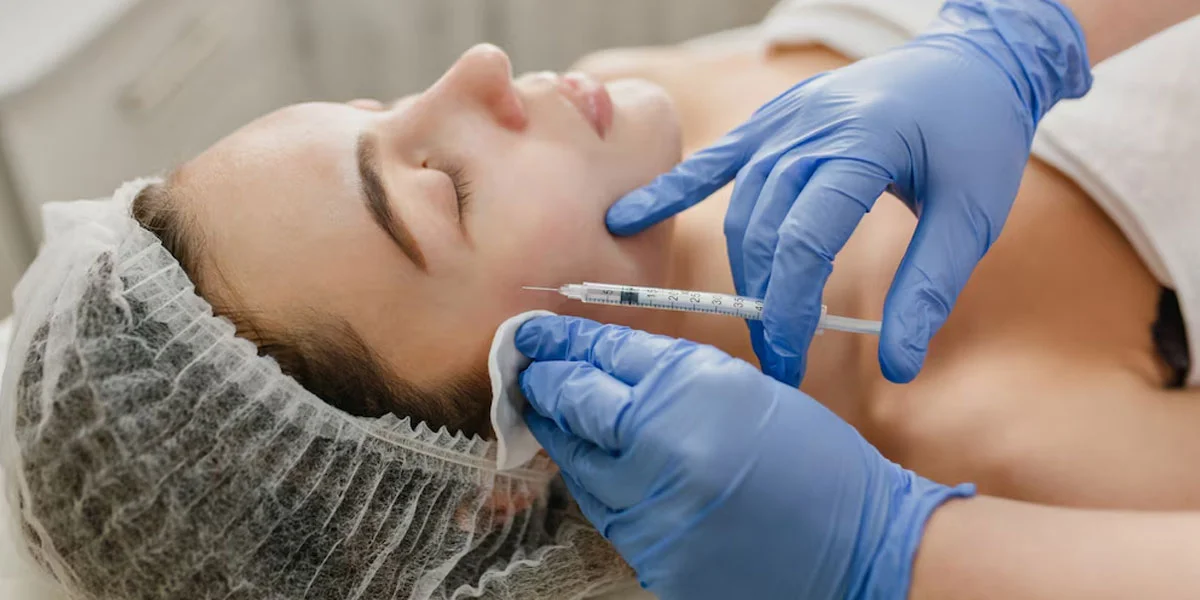
Botox is a prescription treatment that softens lines formed by repeated facial movement, and licensed providers inject it with a fine needle. A typical appointment lasts 10 minutes, and some people return to daily activities right away. Here is more information on how this treatment is used to enhance features and each step of the process:
Injecting a Purified Protein
Botox contains a purified protein. The protein comes from the bacterium Clostridium botulinum, and manufacturers refine it into precise, measured doses. Some people use it for frown lines, while others use it for crow’s feet and forehead lines.
Your provider first cleans your skin, and some offices apply a numbing cream or ice. Once your skin is ready, the provider injects small amounts into specific muscles. Each injection feels like a quick pinch. A standard frown-line treatment uses five injection points.
Before treatment begins, your provider reviews your medical history and current medications. Blood thinners may raise your bruising risk, so mention any aspirin, ibuprofen, or fish oil use. Providers typically delay treatment during pregnancy or breastfeeding.
Relaxing Facial Muscles
Botox works at the junction between nerves and muscles. Nerves normally release a chemical messenger called acetylcholine, which tells muscles to contract. Botox blocks this signal, so the treated muscle relaxes. Effects are noticeable within one to three days and peak later. Your provider adjusts the dose based on how strongly each muscle moves. Treatment areas for Botox include:
- Frown lines between the eyebrows
- Forehead lines
- Crow’s feet at the outer corners of the eyes
- Bunny lines on the sides of the nose
Smoothing Dynamic Wrinkles
Dynamic wrinkles appear with movement, and static wrinkles remain visible at rest. Smiling, squinting, and frowning create dynamic lines over time. Since Botox limits muscle movement, it targets dynamic wrinkles most directly.
If you have deep static lines, Botox alone may soften them only slightly. Fillers, microneedling, and chemical peels address those lines in different ways. Your provider may suggest a combined plan, or you may start with Botox and reassess later. Results vary with muscle strength, skin thickness, and dose.
Repeating Sessions Periodically
Nerve endings gradually form new connections, and muscle movement returns. Most people book follow-up sessions every three to four months, when lines start to reappear. Some clients notice longer intervals after several treatments. Aftercare steps for the first day include these instructions:
- Stay upright for four hours after your injections.
- Avoid rubbing or massaging the treated areas.
- Skip strenuous exercise until the next day.
- Postpone facials, saunas, and hot yoga.
Mild bruising or a brief headache may occur. These effects usually fade within a few days, but contact your provider if eyelid drooping develops. A treatment log helps you track timing, since each person’s schedule differs.
Schedule Botox Sessions Today
Contact an internal medicine clinic to book a Botox consultation. When you arrive, a licensed provider assesses your facial movement and goals. Bring a list of your medications and past cosmetic treatments, or ask about pricing per unit and request written aftercare instructions.
