

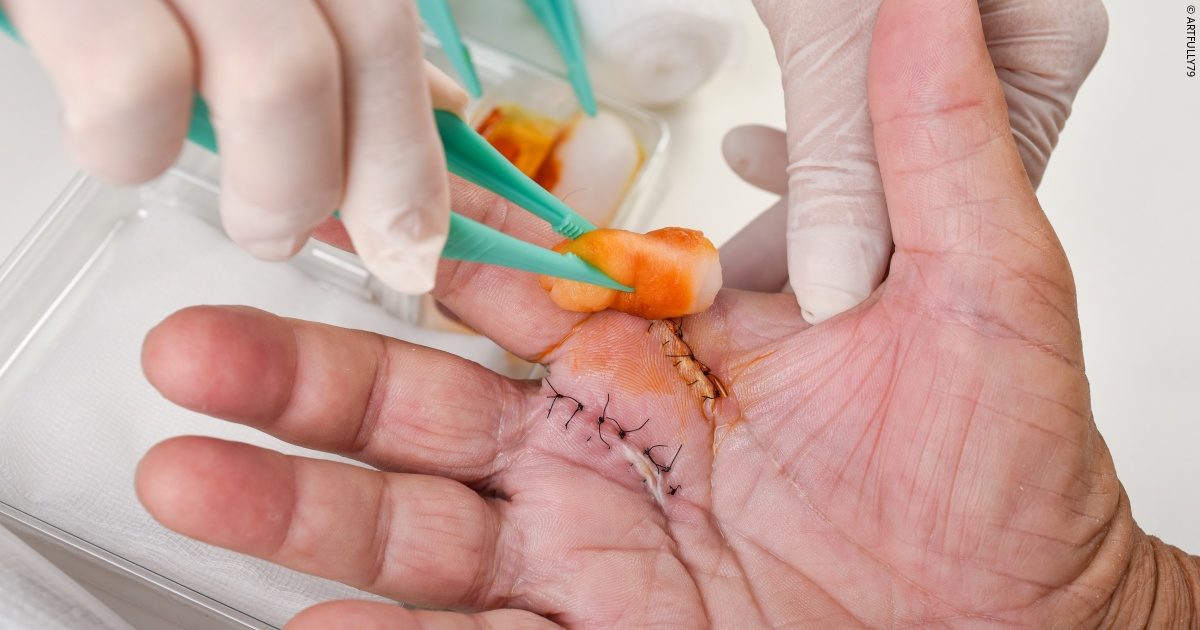
Some wounds resist the body’s natural repair process. When an injury fails to close within about four weeks, specialized wound care becomes the next step. Slow-healing wounds enlarge over time, and they raise the risk of skin infections, bone infections, and tissue death. Advanced techniques target these stubborn wounds, and they combine careful assessment with treatments that promote healing when standard methods stall.
Recognizing Nonhealing Wounds
A nonhealing wound does not close in an orderly sequence or within a predictable span. Clinicians often classify wounds that persist beyond three months as chronic. These wounds stall in one phase of healing, and they require intervention to move forward. Early recognition supports treatment, because a wound that keeps growing threatens nearby skin and bone, and delayed action allows infection to spread. Effective wound care begins with identifying which wounds need this focused attention.
Identifying Underlying Conditions
Several health conditions slow the healing process. Diabetes ranks among the most common, and high blood sugar damages blood vessels and nerves that usually start in the feet. Numb nerves hide small cuts, so minor injuries develop into diabetic foot ulcers that demand intensive treatment. Vascular disease also reduces circulation. Peripheral artery disease blocks leg arteries with plaque, while chronic venous insufficiency lets blood pool when leg vein valves fail, and both conditions trigger ulcers in the lower leg, ankle, or foot.
Applying Advanced Treatment Approaches
Treatment often centers on the TIMES framework, a structured model that examines tissue, infection, moisture, edge, and surrounding skin. Debridement removes dead and infected tissue from the wound bed. Clinicians may use the body’s own enzymes, sterile larvae, or sharp surgical methods, and qualified practitioners perform the surgical option under local or general anesthetic. Moisture balance also guides care. A wound kept too wet or too dry heals slowly, so specialized dressings match moisture levels, and absorbent dressings handle heavy exudate while hydrogels rehydrate dry tissue.
When conservative methods fall short, several advanced therapies enter the plan. Negative pressure wound therapy, also called vacuum-assisted closure, draws fluid from wounds with heavy exudate. Compression therapy supports healing in venous ulcers. Surgical teams may recommend skin grafts, and bio-engineered tissue substitutes offer another option for wounds that resist closure. Antimicrobial dressings reduce bacteria at the wound surface, but clinicians reserve them for infected or heavily colonized wounds, and they stop these dressings once signs of infection clear.
Coordinating Holistic Assessment
Wound management depends on a multi-professional approach rather than a single specialist. A holistic assessment records the wound’s size, location, tissue type, and exudate, and it captures the patient’s general health and risk factors. Digital photography documents the wound on first contact, so clinicians can measure progress or decline against a clear record. Reassessment happens at least every two weeks. Nutrition supports recovery too, because protein, vitamin C, zinc, and iron strengthen new tissue, and patients with poor nutritional status may receive a referral to dietetic services.
Seek Specialized Wound Care Today
A nonhealing wound calls for prompt, structured attention. Specialized wound care brings together accurate assessment, targeted treatment, and coordinated teamwork, and this combination addresses both the injury and the conditions behind it. People with diabetes, vascular disease, or wounds that linger beyond four weeks benefit from evaluation. A wound care provider can assess the injury and determine whether advanced treatment approaches are appropriate.
