

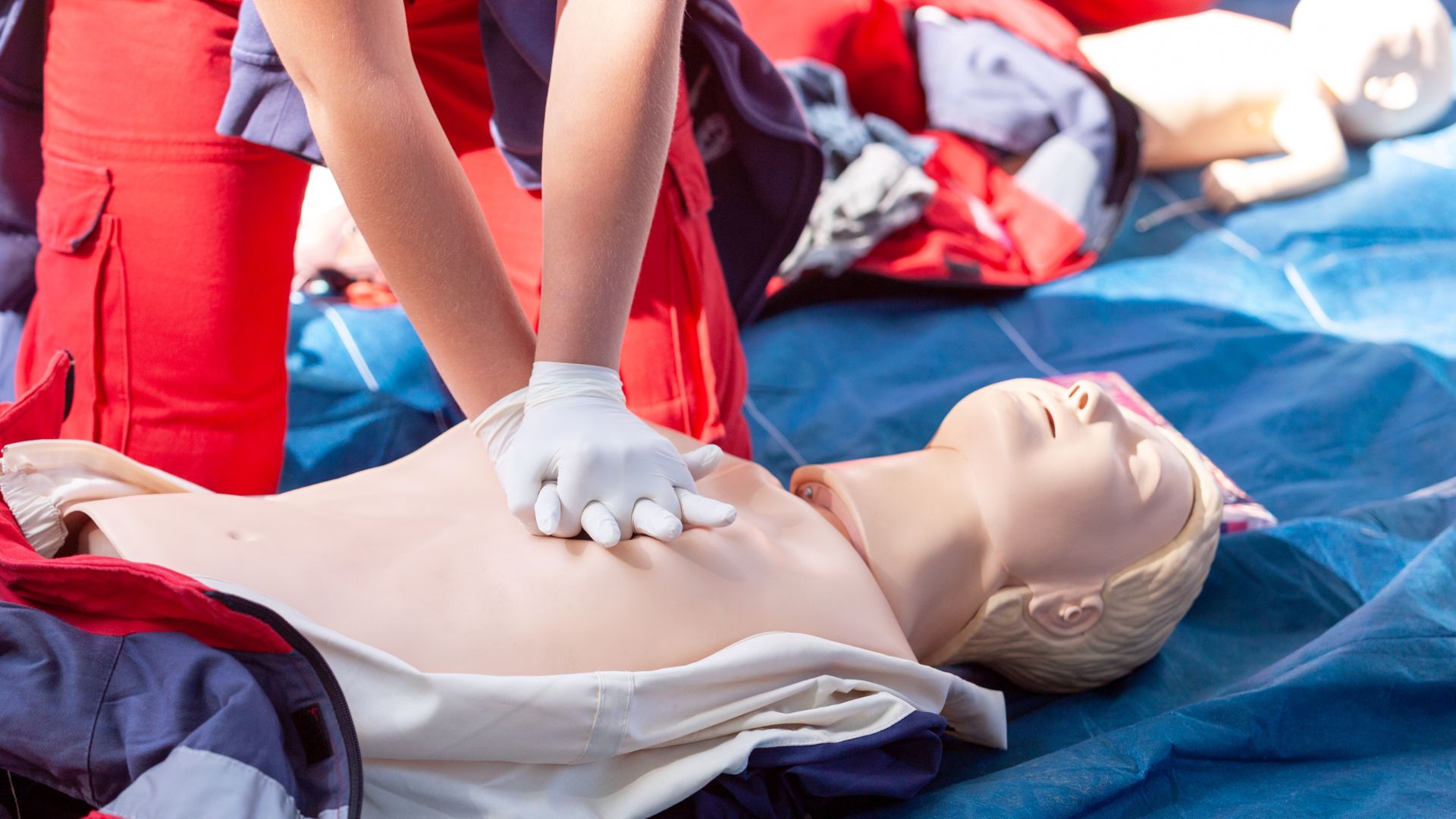
Cardiopulmonary resuscitation (CPR) is a lifesaving procedure used when a person’s heart has stopped beating or they are not breathing normally. In a cardiac or breathing emergency, taking immediate action can help maintain circulation and oxygen delivery until professional medical help arrives. A CPR course provides instruction in emergency response skills, along with hands-on practice in a structured environment. Here is what you learn in a CPR certification course:
Basic CPR Training
CPR certification programs include Basic Life Support (BLS), Advanced Cardiac Life Support (ACLS), and Pediatric Advanced Life Support (PALS), which integrate coordinated emergency response techniques. These courses emphasize structured, team-based care in time-sensitive situations. ACLS and PALS training strengthen rapid clinical decision-making and streamline response workflows.
These programs prepare healthcare professionals to manage cardiac and respiratory emergencies in clinical settings. Training also covers the correct use of automated external defibrillators (AEDs) and airway management techniques. BLS establishes foundational life support skills, while ACLS and PALS expand on those fundamentals with advanced interventions used in hospital environments. Through this training, healthcare providers perform high-quality chest compressions, deliver defibrillation when indicated, and maintain continuous emergency care.
Childcare Training
CPR certification training prepares daycare staff and caregivers to respond to pediatric emergencies, including CPR, choking relief, and first aid for common childhood incidents. The courses teach proper compression and rescue breathing techniques specifically adapted for infants and young children. Training incorporates realistic scenarios, such as mealtime and play situations, to build practical, situation-based response skills in childcare settings.
Heartsaver Training
Heartsaver courses provide practical, skills-based training with clear, step-by-step instruction for responding to emergencies quickly and effectively. Participants learn resuscitation techniques for adults, children, and infants and reinforce those skills through structured hands-on practice. Non-healthcare providers develop the ability to recognize unresponsiveness and initiate CPR while using an AED safely.
Training includes instruction on automated external defibrillator (AED) use as part of the overall resuscitation process. Participants learn how to operate an AED for both adults and children and practice following organized emergency response steps. CPR and AED procedures are taught together so learners understand how the two methods work together. Non-medical participants complete guided exercises and follow standardized procedures demonstrated during instruction.
Choking Relief Training
Participants learn relief techniques for adults, children, and infants and apply age-appropriate response methods. Airway obstruction emergencies occur in a variety of settings, so the course addresses multiple scenarios and levels of severity. Unconscious choking receives specific attention as a high-risk situation requiring immediate intervention. When a foreign object blocks the airway, responders follow established steps to restore breathing. Instruction includes proper airway positioning and techniques to clear the obstruction. The training also covers how to open the airway and deliver effective rescue breaths when ventilation is required.
Get Your CPR Certification Today
CPR training provides structured instruction for responding to cardiac, breathing, and first-aid emergencies. Clear, consistent guidance supports decisive action during unexpected medical events and strengthens readiness for real-world situations. A CPR course prepares individuals and allows them to practice steps in the presence of trained healthcare professionals. Contact a CPR training provider to get certified in cardiac resuscitation.
