

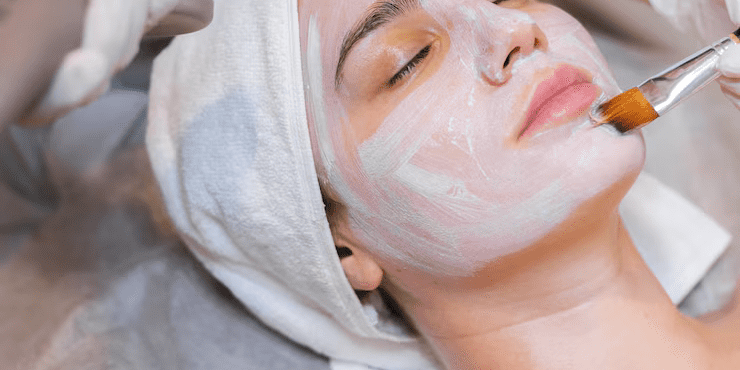
A facial is a professional skin treatment performed by a trained specialist, and many sessions include cleansing, exfoliation, extractions, and a mask. Some use a serum and moisturizer. When you book facials regularly, your provider learns how your skin changes over time. Here are four areas where regular facials may help:
Hydrated Skin
Your skin loses water every day, and dry air, hot showers, and harsh cleansers speed up that loss. When facials remove dead surface cells, hydrating serums may absorb more evenly. Specialists use ingredients like hyaluronic acid, glycerin, and ceramides. Well-hydrated skin typically looks smoother and feels more comfortable.
If your skin feels tight after washing, mention it during your consultation. Your esthetician will choose a mask suited to your skin type. Some clients notice softer skin after one visit, but lasting hydration typically depends on regular sessions and home care.
Tightened Pores
Pore size depends largely on genetics, oil production, and skin elasticity. Facials do not change your pore structure, but they may make pores look smaller. When oil and debris clog a pore, it stretches and appears larger. Removing that buildup lets the pore return closer to its usual size. Pore-focused steps include:
- Deep cleansing to lift surface oil
- Warm steam to soften buildup
- Manual extractions by a trained esthetician
- Absorbent clay masks for excess oil
Reduced Lines and Wrinkles
Fine lines form gradually with sun exposure, repeated facial movements, and natural aging. While no facial erases deep wrinkles, some treatments may soften the look of fine lines. Exfoliation smooths the skin’s surface, and a smoother surface reflects light more evenly. Your provider may also suggest a light chemical peel for added exfoliation.
Many anti-aging facials include peptides or antioxidants, and some add gentle massage techniques. Massage increases blood flow to the face for a short time. When skin holds more moisture, fine lines typically appear less noticeable.
Since results vary from person to person, ask your provider what to expect for your skin. Monthly visits suit many clients, but some people prefer a quarterly schedule. Daily sunscreen also helps protect your skin between appointments.
Increased Collagen and Elastin
As you get older, your skin makes less collagen and elastin. These proteins give skin its firmness and bounce. Some facials aim to stimulate new collagen production, and your provider may recommend them based on your goals. Facials that may support collagen include:
- Microneedling facials
- Radiofrequency facials
- Facials with vitamin C or retinoid serums
Collagen builds slowly, so changes typically take several weeks to appear. If you have sensitive skin or a medical condition, share that information before treatment. Your esthetician will adjust the technique for safety and comfort. Pair your sessions with sunscreen to protect new collagen from UV damage.
Schedule Facials Near You
Facials fit into a broader skin care plan, and your schedule depends on your goals. Look for a med spa with licensed estheticians and clear hygiene practices. When you book, ask about pre-care and post-care instructions for your treatment. Contact a local med spa to schedule a consultation and build your personalized treatment plan.
