

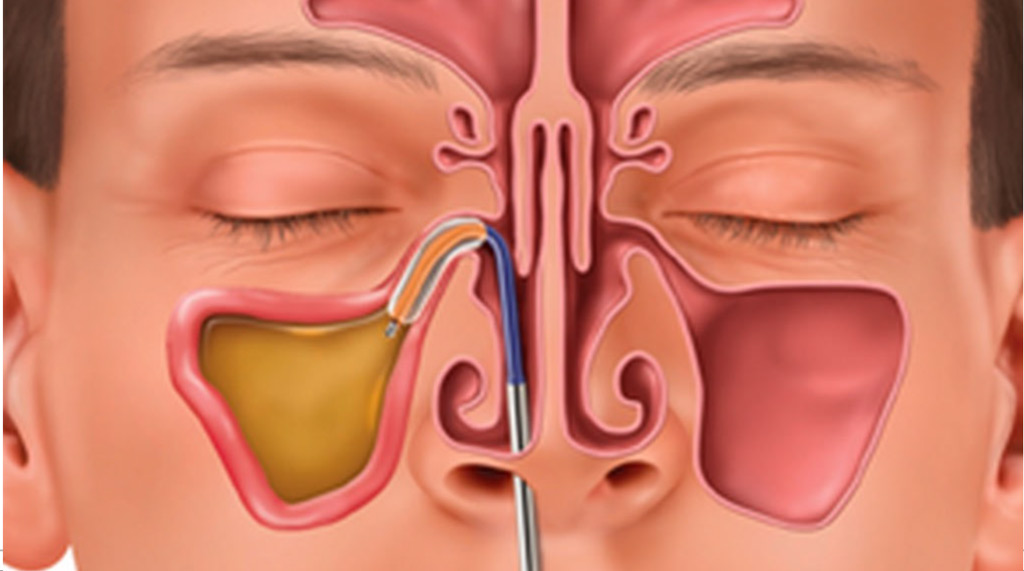
Balloon sinuplasty is a minimally invasive procedure used to treat blocked or inflamed sinuses. During the procedure, an ear, nose, and throat (ENT) doctor inserts a small balloon catheter into the nasal passage, which widens the opening and improves airflow. Sinus conditions vary, and understanding treatment options helps patients make decisions about their care. Here are some FAQs about balloon sinuplasty:
What Does Balloon Sinuplasty Involve?
Balloon sinuplasty is designed to provide relief for patients suffering from recurring sinus infections or persistent nasal congestion. Your ENT specialist threads a thin, flexible catheter into the affected sinus passage using endoscopic guidance. Once positioned, the balloon at the tip is inflated slowly. This expansion restructures the sinus opening without removing tissue or bone. Saline solution is flushed through the catheter to clear out mucus and any buildup. After the passage is rinsed, the balloon is deflated and removed. Since no tissue is cut, many patients have the procedure done in an office setting rather than a hospital.
What Does Recovery Look Like?
Recovery after the procedure is typically straightforward, and many patients resume normal activities quickly. You might notice mild discomfort, congestion, or light bloody discharge in the first few days. These effects typically fade as the tissue settles.
Rest helps during the early recovery period; avoid strenuous activity, forceful nose blowing, and bending over for the period your doctor specifies. This allows healing to continue without unnecessary irritation or pressure on the treated areas. Saline rinses are often recommended because they help maintain cleanliness within the nasal passages.
Follow-up visits let your ENT doctor check how the sinuses are healing. If symptoms such as severe pain, heavy bleeding, or fever appear, contact your provider promptly. Less tissue is disturbed during the procedure, so recovery is generally shorter than with traditional sinus surgery.
Who Is a Good Candidate?
Not everyone with sinus problems is suited for balloon sinuplasty. Candidates often include adults with chronic sinusitis who have not responded well to medications like antibiotics, nasal sprays, or decongestants. People who experience repeated sinus infections or trouble breathing through the nose may also be evaluated for the procedure. A few factors influence whether someone is a good fit:
- Diagnosis: Your ENT specialist will confirm the source of your symptoms, sometimes using a CT scan or endoscopic exam.
- Severity: The location and extent of the blockage matter. Some cases involve structural issues that need a different approach.
- Medical history: Existing conditions, allergies, and past surgeries shape the recommendation.
When patients have nasal polyps or significant structural abnormalities, they might require additional or alternative treatment options. A consultation gives your doctor the chance to review your records and discuss what options match your needs. Only a qualified provider determines candidacy, and patients can ask questions during the evaluation.
Visit an ENT Doctor
If sinus problems keep interfering with your daily life, an ENT doctor is the right person to talk to. They will examine your symptoms, run necessary tests, and explain whether balloon sinuplasty or another treatment is right for you. Bring a list of your symptoms and questions to your appointment so the conversation stays focused. Schedule a consultation with an ENT specialist today to learn more.
