

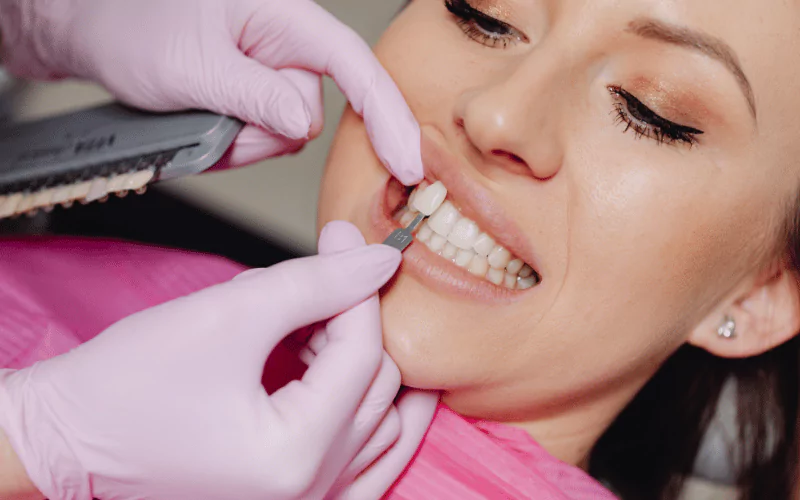
Minimally invasive cosmetic dentistry uses modern techniques, such as teeth whitening, dental bonding, veneers, and clear aligners, to improve the appearance of the smile, which potentially enhances a patient’s quality of life. These treatments preserve as much natural tooth structure as possible, and they may be faster and less painful than traditional dental treatments. Here is more information on cosmetic dentistry, the available procedures, how they are minimally invasive, and the benefits of dental treatment:
What Is Cosmetic Dentistry?
Cosmetic dentistry focuses on improving the appearance of teeth, gums, and the overall smile. Unlike restorative dentistry, which primarily addresses functional issues, cosmetic dentistry targets concerns such as discoloration, misalignment, chipping, and gaps. Treatments range from simple whitening to more involved procedures like veneers or dental bonding, and a cosmetic dentist evaluates each patient’s unique dental structure before recommending the most suitable approach.
What Are the Available Procedures?
Several cosmetic procedures are available today, each addressing different aesthetic concerns.
- Teeth whitening removes surface stains and discoloration using bleaching agents applied in-office.
- Dental bonding uses a tooth-colored composite resin to repair chips, cracks, or gaps, sculpted directly onto the tooth surface.
- Veneers are thin porcelain or composite shells bonded to the front surface of teeth to correct discoloration, shape, or minor misalignment.
- Invisalign® straightens teeth using a series of clear, removable aligners customized to a patient’s dental structure.
- Digital Smile Design (DSD) is a planning tool that uses digital imaging to preview and design the expected smile outcome before treatment.
Each of these procedures targets specific concerns, and a cosmetic dentist will recommend options based on an individual dental assessment.
How Are They Minimally Invasive?
Minimally invasive cosmetic dentistry focuses on achieving results with the least possible disruption to the natural teeth. Teeth whitening requires no alteration to tooth structure; it works entirely on the surface. Dental bonding similarly adds material rather than removing it, making it a conservative option.
Veneers once required significant enamel removal, but they now come in ultra-thin versions that require little tooth reduction. Invisalign® moves teeth gradually without brackets or permanent fixtures, leaving the teeth themselves untouched. DSD takes a non-invasive approach a step further by allowing a patient to visualize outcomes digitally before committing to any physical treatment.
What Are the Benefits?
The most immediate benefit is a shorter recovery period; this facilitates a quicker return to normal activities. Because these procedures disturb less tissue, patients may experience less discomfort. Preservation of natural tooth structure also means long-term dental health is less likely to be compromised.
Another benefit of minimally invasive cosmetic dentistry is improved smile appearance. Procedures like teeth whitening can remove stains, resulting in a brighter, more uniform tooth color, and dental bonding and veneers are effective in correcting imperfections such as chips, cracks, or gaps between teeth. Clear aligners can address mild to moderate misalignment, straightening teeth to enhance both their function and appearance. These treatments address specific aesthetic concerns while preserving the natural tooth structure.
Consult a Cosmetic Dentist
Minimally invasive cosmetic dentistry offers effective solutions for a wide range of aesthetic concerns, from staining and chips to misalignment and missing teeth. Advances in technique and technology mean that achieving a better smile no longer requires extensive procedures or lengthy recovery; treatments like veneers and dental bonding are all designed to work with your natural dental structure. If you’re evaluating cosmetic dental treatment, schedule a consultation with a qualified cosmetic dentist. A professional assessment will identify which procedures align with your goals and dental health.
