

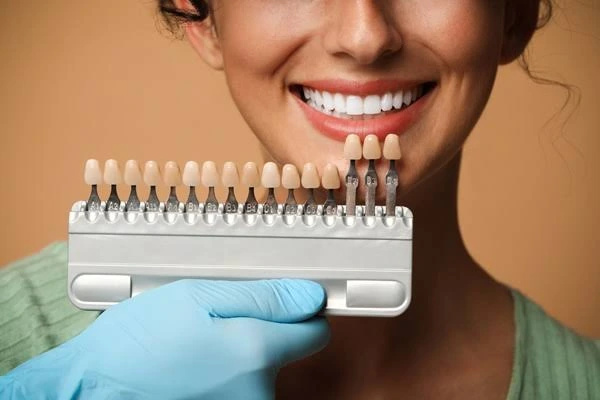
Dental veneers are thin shells made from porcelain or composite resin that attach to the front surface of your teeth. They address concerns like discoloration, chips, gaps, or uneven shapes. Once bonded in place, veneers become a long-term part of your smile, and consistent care helps them maintain their appearance for many years. Here are some tips for maintaining your veneers:
Maintain Oral Hygiene
A consistent oral hygiene routine is key to preserving the appearance and durability of your veneers. Brushing twice a day helps prevent plaque buildup along the edges of your veneers. A soft-bristled toothbrush and a non-abrasive toothpaste help prevent the surface from wearing down over time. Veneers do not respond to whitening treatments the way natural enamel does, so avoid using whitening products that contain harsh ingredients. Floss daily to clean the spaces your brush misses, paying attention to the gumline where veneers meet your natural teeth. Visit your dentist for routine checkups and professional cleanings. During those visits, your dentist examines the bonding, checks for any chips, and removes buildup left after brushing.
Adjust Eating Habits
Your daily eating habits can play a role in protecting your veneers, as certain foods and drinks may affect their appearance over time. Some foods to monitor include:
- Hard foods: These place stress on the edges of your veneers, and biting directly into these may cause chips or cracks.
- Sticky foods: Things like caramel or chewy sweets pull at the bonding, and limiting them helps reduce that pressure.
- Dark drinks: While porcelain resists most discoloration, the natural teeth may darken from coffee, red wine, or tea. Using a straw for darker drinks limits contact with your teeth.
Rinsing with water after meals helps clear away leftover food particles that may sit against your teeth and affect their appearance over time. Some people use their teeth to open packaging or tear tape, which also puts their veneers at risk. Small shifts in how and what you eat add up, and they protect the strength of your veneers.
Protect Against Stress
Grinding and clenching create steady pressure that wears down veneers over time. Many people grind their teeth at night without realizing it, often during sleep or moments of tension. A custom night guard from your dentist forms a barrier between your upper and lower teeth; it absorbs force that would otherwise reach the teeth. If you play contact sports, a mouthguard shields your teeth from sudden impact.
Talk with your dentist about which option fits your situation. Watch for signs like jaw soreness, morning headaches, or sensitivity; these may point to grinding you have not noticed. Stress management also plays a role, because tension often shows up as a clenched jaw. Simple steps, like stretching your jaw or staying mindful of when you clench, help reduce strain throughout the day.
Learn More About Veneers
Caring for veneers comes down to steady, everyday habits, including clean teeth, mindful eating, and protection from grinding. These routines fit naturally into the care you already give your natural teeth. If you have questions about your veneers, a dentist can provide tailored guidance. Schedule an appointment today to learn more about enhancing your smile.
