

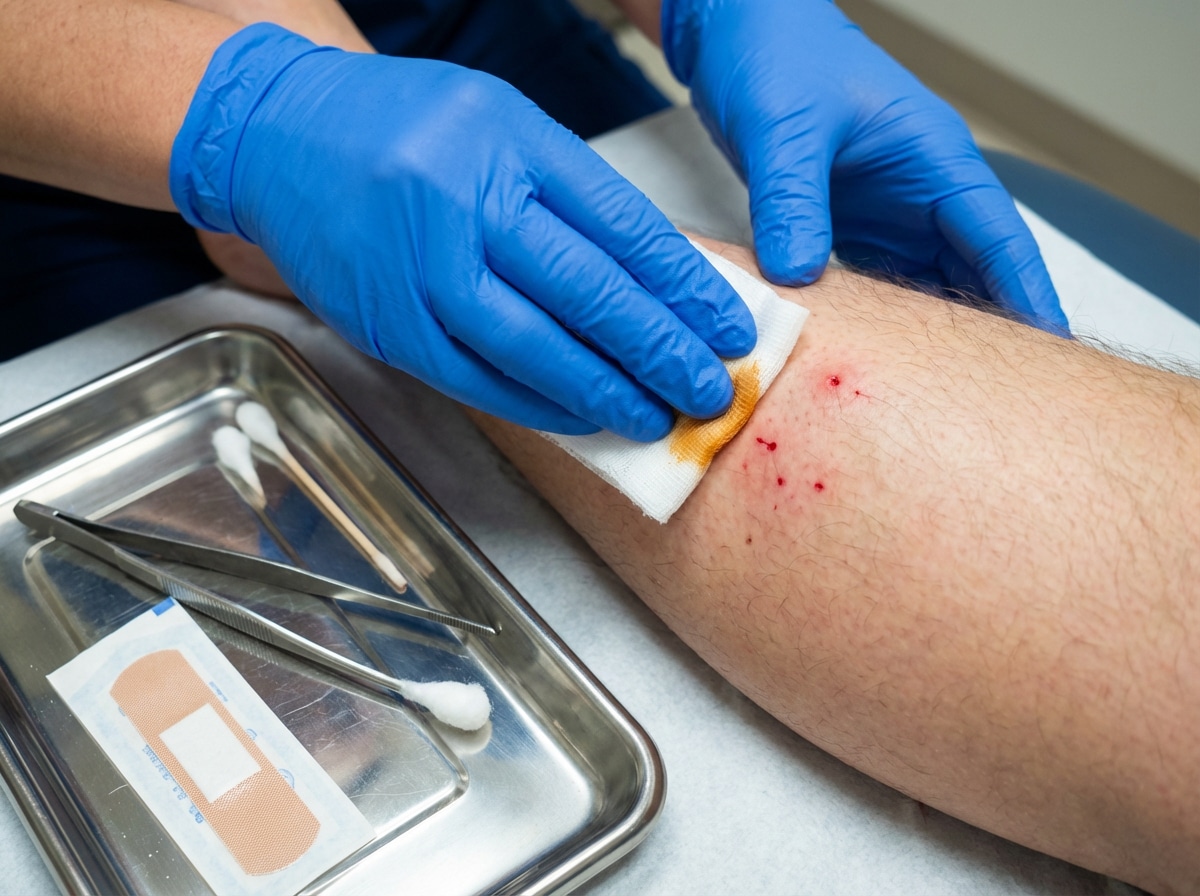
Animal bites can occur unexpectedly and are able to cause injuries that require prompt medical attention. Even small bites that break the skin are able to introduce bacteria and increase the risk of infection. Medical evaluation helps determine the extent of the injury and whether treatment such as wound care, antibiotics, or a tetanus vaccination is appropriate. Seeking timely care supports proper healing and helps reduce the risk of complications. Here is more information about treating animal bites in an urgent care setting:
Recognizing Common Animal Bites
Animal bites can come from both domestic pets and wild animals, and each type of bite presents different medical concerns. Dogs and cats account for many bite injuries, while bites from wild animals are able to require additional evaluation because of the potential risk of rabies or other infections. Prompt medical assessment helps determine the appropriate treatment based on the type of animal and the severity of the injury. Common animals involved in bite injuries include:
- Dogs and cats
- Snakes
- Raccoons, squirrels, and rats
- Ferrets and bats
Healthcare providers evaluate the wound, identify possible infection risks, and determine whether additional treatment or preventive care is necessary. Early medical attention supports proper wound management and helps reduce the risk of complications following an animal bite.
Spotting Signs of Infection
Animal bites can become infected if bacteria enter the wound after the skin is broken. Common signs of infection include increasing redness, warmth, swelling, pain, pus, fever, or red streaks spreading from the bite site. Monitoring the wound closely during the first few days after the injury helps identify these changes early. Prompt medical evaluation and treatment help prevent the infection from spreading and reduce the risk of more serious complications.
Getting Medical Treatment
Every animal bite should receive a medical evaluation, even if the wound appears minor. Bite injuries can damage muscles, nerves, blood vessels, or underlying bone. A healthcare provider evaluates these potential complications during the examination and determines the most appropriate course of treatment.
During the visit, the provider reviews your medical history, the circumstances of the bite, and any symptoms you are experiencing. A physical examination helps assess the severity of the injury and identify signs of infection or tissue damage. When appropriate, providers are able to order imaging studies, such as X-rays, to detect fractures or foreign material within the wound. Blood tests may also be recommended if the injury shows signs of infection or other complications.
Cleaning and Closing the Wound
Treatment for an animal bite begins with thoroughly cleaning the wound to remove bacteria and debris. A healthcare provider may numb the area before closing the wound with stitches, staples, or medical adhesive when appropriate. Depending on the injury, treatments are also able to include antibiotics and a tetanus vaccination. Patients should keep the wound clean and dry, follow all care instructions, and monitor the area daily for signs of infection as it heals.
Get Care for Animal Bites Today
Animal bites can introduce bacteria and are able to require medical evaluation, even when the wound appears minor. Healthcare providers assess the injury, clean the wound, and recommend appropriate treatment based on the type and severity of the bite. They also determine whether additional care, such as antibiotics or vaccinations, is appropriate. Visit an urgent care provider today for evaluation and treatment of an animal bite.
