

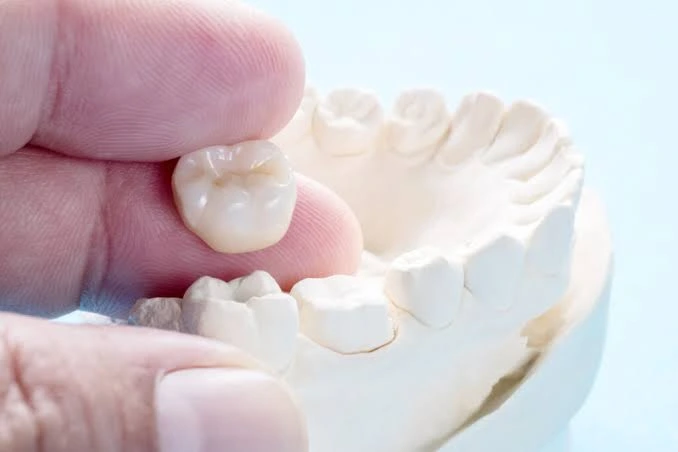
Dental crowns are custom-made restorations placed over damaged, weakened, or heavily restored teeth. A dentist may recommend crowns for teeth affected by decay, fractures, large fillings, or other structural concerns. Here is an overview of the process of getting dental crowns:
Evaluating the Affected Tooth
The process for dental crowns begins with a full evaluation of the tooth in question. Your dentist examines the tooth, checks the surrounding gums, and often takes X-rays to view the structure below the surface. This step is key, and it helps the dentist confirm whether a crown suits your situation. Once the assessment is complete, your dentist explains the findings and outlines the treatment plan.
Preparing the Tooth
Preparation comes next after the evaluation, and it lays the foundation for dental crowns that fit well. Your dentist reshapes the tooth and gathers the measurements needed to build a precise restoration. Each part of this stage supports a comfortable and secure result.
Reshaping the Tooth
Reshaping removes a thin outer layer so the crown fits. Your dentist carefully trims the tooth, and the amount removed depends on the type of crown you choose. This step creates room for the new cap without crowding nearby teeth. Local anesthetic keeps the area numb while the dentist works.
Taking Impressions
After reshaping, the dentist takes impressions of the prepared tooth and the surrounding teeth. Some offices use a digital scanner, while others rely on a soft molding material. These impressions guide the lab or in-office system that builds your crown, so accuracy matters. A temporary crown often protects the tooth while the permanent one is made.
Creating and Placing the Crown
The impressions go to a dental lab or an in-office milling unit, where technicians craft the dental crowns to match your measurements. This process shapes the crown to blend with your natural teeth in color and form, and it can take a few days or a single visit, depending on the method. When the crown is ready, your dentist removes any temporary cap and checks the fit against your bite. If the crown sits well, the dentist bonds it in place with dental cement, and a final polish completes the placement.
Caring for the New Crown
Dental crowns can last for years with regular care, and daily habits can support that goal. Good routines protect both the crown and the tooth beneath it. The following tips are helpful ways to keep your restoration in good condition:
- Brush twice daily: Clean the crown and surrounding teeth with a soft-bristled brush to reduce plaque buildup along the gumline.
- Floss carefully: Slide floss gently around the crown to clear debris without tugging at the edges.
- Avoid hard objects: Skip chewing ice, pens, or hard candy, which can chip or loosen the crown over time.
- Wear a night guard if needed: If you grind your teeth at night, a guard can shield the crown from extra pressure.
- Attend regular checkups: Routine visits let your dentist monitor the crown and detect small issues early.
Schedule Your Dental Crowns Consultation
Crowns restore damaged, weakened, or uneven teeth. The process includes tooth evaluation, tooth preparation, crown creation, and placement. Consistent care is key to maintaining your dental crown’s longevity and function. Regular brushing and flossing, and avoiding harmful habits like teeth grinding, are effective ways to protect your crown while preserving your overall oral health. Contact a qualified dentist near you to schedule your dental crowns consultation today.
