

Skin cancer is the abnormal growth of skin cells, and it often develops in areas of the body that receive sun exposure. Ultraviolet (UV) radiation damages the DNA in skin cells, so time spent in the sun and in tanning beds raises your risk. When you learn how the cancer forms, you can protect your skin or evaluate treatment options. Here are some benefits of educating yourself about cancer:
Adopt Prevention Habits
Many skin cancers are linked to UV exposure, so your daily habits directly affect your risk. Sunscreen alone does not block all UV rays. By combining several methods, you reduce your exposure and provide more complete coverage. Some skin protection habits include:
- Applying a broad-spectrum sunscreen with SPF 30 or higher 15 minutes before you go outside
- Reapplying sunscreen every two hours and after swimming or sweating
- Wearing a wide-brimmed hat, UV-blocking sunglasses, and long-sleeved clothing
- Seeking shade between 10 a.m. and 4 p.m., when UV rays are strongest
- Avoiding tanning beds and sunlamps
- Checking the daily UV index before you plan outdoor activities
Support Earlier Detection
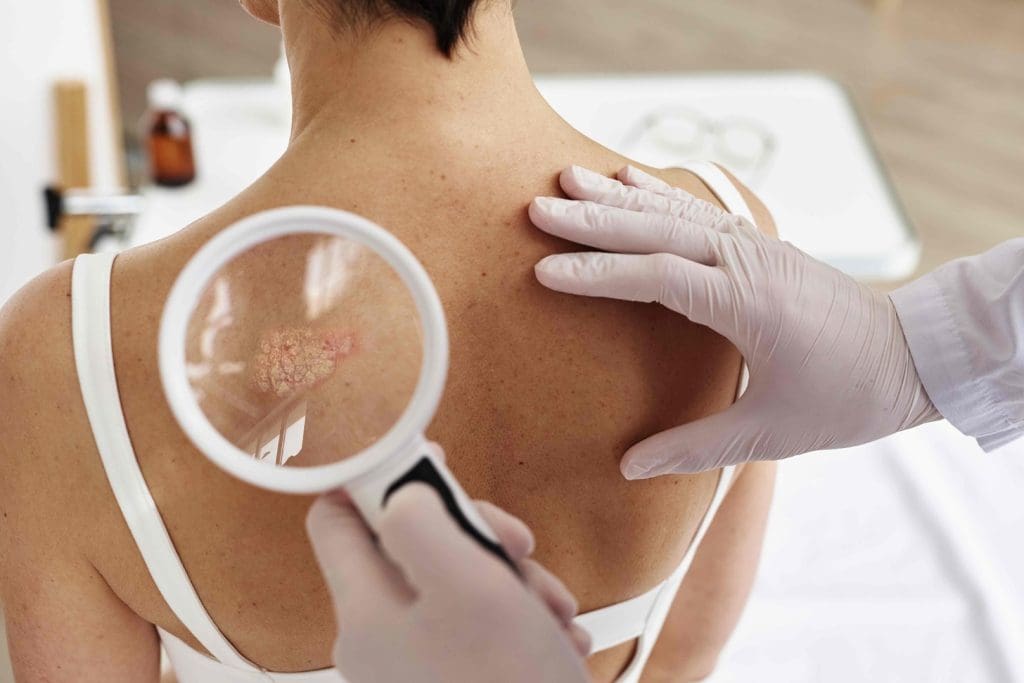
Education helps you recognize the signs of cancer before it spreads. The ABCDE method gives you a simple checklist for moles: asymmetry, irregular borders, uneven color, a diameter larger than 6 millimeters, and changes in appearance over time. Perform a skin self-exam once a month, and use a mirror to check hard-to-see areas like your back and scalp. When you know your normal pattern of moles and spots, new or changing marks are easier to notice. A sore that does not heal within a few weeks also needs a doctor’s review. Schedule a yearly skin exam with a dermatologist, especially if you have a family history of skin cancer. Dermatologists examine suspicious spots with specialized tools, and they take a small sample for a biopsy if a spot looks abnormal.
Improve Treatment Outcomes
Many skin cancers respond well to treatment when doctors find them early. When a cancer such as melanoma reaches distant organs, survival rates often drop, and treatment becomes more complex. Knowing the warning signs shortens the time between noticing a change and receiving a diagnosis. Early-stage cancers often require less extensive procedures, and recovery times are shorter.
Education also prepares you to take part in decisions about your care. Treatment options include surgical excision, Mohs surgery, cryotherapy, topical medications, and radiation. Your doctor recommends a plan based on the cancer’s type and stage. If you understand these options, you can ask clear questions, and you know what to expect during recovery. Follow-up visits matter after treatment because people who have had skin cancer face a higher risk of recurrence.
Treat Skin Cancer
Understanding skin cancer helps you make informed decisions about prevention, detection, and treatment. Protecting your skin from UV exposure and checking it regularly can reduce your risk and help you notice changes. If you find a new or changing spot, have a dermatologist evaluate it rather than waiting for it to disappear. Early diagnosis can make treatment more manageable, while regular follow-up visits help monitor your skin for signs of recurrence. Contact a dermatologist today to schedule a skin exam.
