

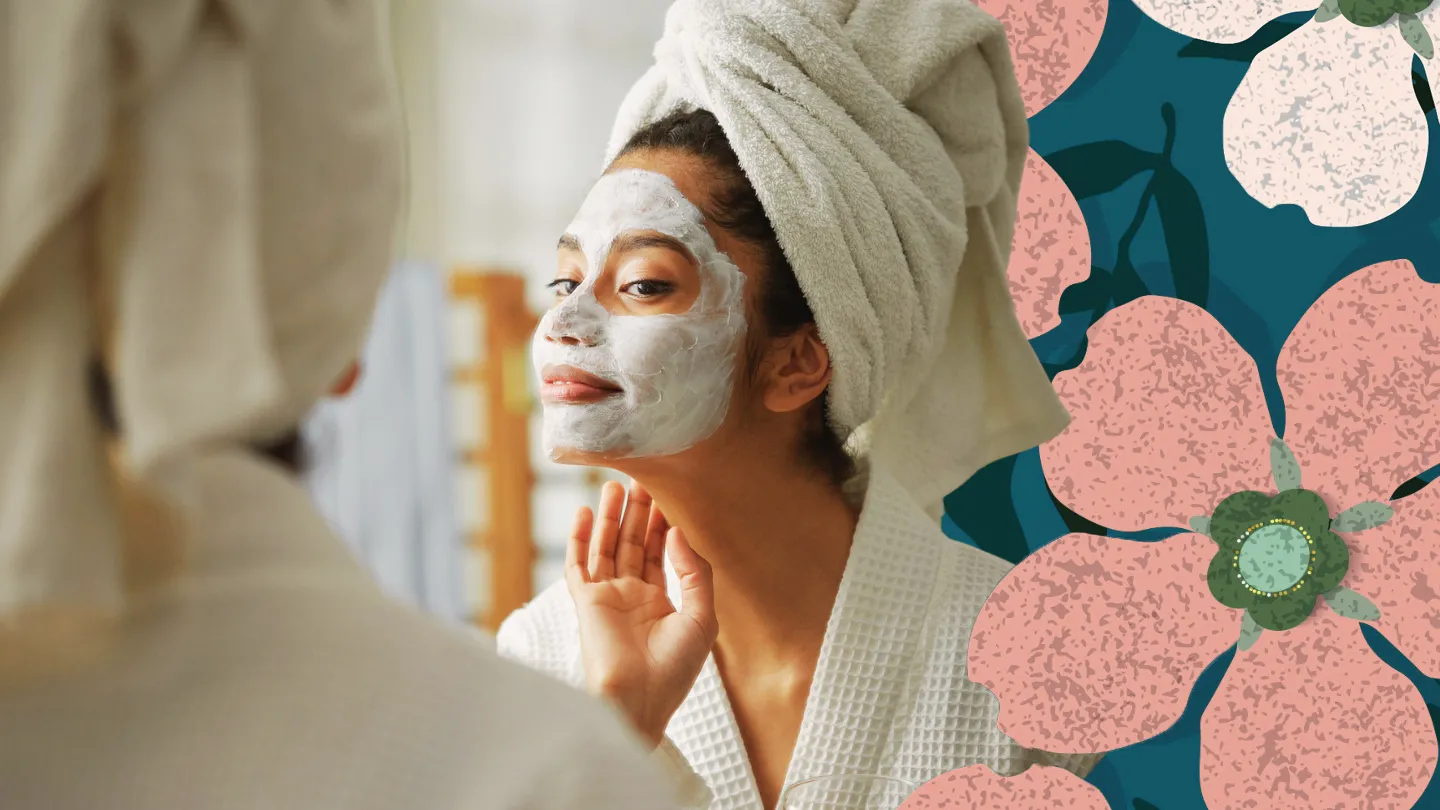
Skin conditions can affect physical comfort, sleep, and emotional well-being. Dermatology addresses concerns involving the skin, hair, and nails, and helps identify changes that may signal broader health issues. Here is more information on how dermatology can impact overall health and wellness:
Managing Skin Conditions
Some skin conditions develop gradually, and some return in cycles over time. A dermatology specialist examines the skin, reviews your medical history, and builds a plan that fits your situation. Common concerns a provider addresses include:
- Acne: A dermatologist identifies the type and severity of breakouts and recommends a structured treatment plan.
- Eczema: This condition causes dry, itchy patches, and care often focuses on managing flare-ups and triggers.
- Psoriasis: Thick and scaly patches characterize this condition, which generally requires long-term monitoring.
- Rosacea: Facial redness and visible blood vessels are common signs, and treatment aims to reduce symptoms.
- Hair loss: An assessment helps identify possible causes, such as genetics, stress, or nutritional factors.
Recognizing Broader Health Concerns
The skin can reflect changes elsewhere in the body. Certain rashes, changes in nail texture, and unexplained hair shedding are signs a dermatology specialist may note during an exam. While providers do not diagnose every condition, they often recognize patterns that require further evaluation. Coordination between providers is key to this process. A dermatology specialist may refer you to a primary care doctor, an allergist, or another specialist when symptoms suggest a broader concern.
Supporting Emotional Well-Being
Visible skin conditions affect how some people feel in social, school, or work settings. Teenagers with acne and adults with noticeable hair loss may experience changes in self-confidence. Cosmetic dermatology addresses appearance-related concerns, such as fine lines, uneven skin tone, or scarring. Professional treatments follow clinical standards, and a specialist explains the expected results, recovery time, and potential risks before any procedure. This transparency helps you set realistic expectations and choose options that align with your goals.
Protecting Long-Term Skin Health
Long-term skin health depends on consistent habits and regular professional evaluation. A dermatology specialist helps you build a prevention routine that matches your skin type and lifestyle. The following areas are often the foundation of ongoing care.
Practice Daily Sun Protection
Ultraviolet (UV) rays from the sun contribute to premature skin aging and increase the risk of skin cancer. A specialist recommends practical steps, such as applying broad-spectrum sunscreen, wearing protective clothing, and limiting sun exposure during peak hours. Parents can also learn how to protect infants and children, whose skin is more sensitive to sun damage.
Schedule Routine Skin Checks
Regular skin exams can help identify changes in moles, spots, or growths early. During a full-body exam, your dermatology specialist looks for irregular shapes, color changes, and new lesions. If you’re diagnosed with skin cancer, treatment options may include Mohs surgery. This technique removes cancerous tissue layer by layer while preserving as much healthy skin as possible. Contemplate scheduling an annual exam, especially if you have a family history of skin cancer or frequent sun exposure.
Schedule Your Dermatology Care Appointment
Dermatology supports overall health and wellness by managing skin conditions and identifying broader health concerns. Prevention, including sun protection and routine skin checks, plays a fundamental role in long-term skin health. Contact a qualified dermatologist near you to schedule your dermatology care appointment today.
