

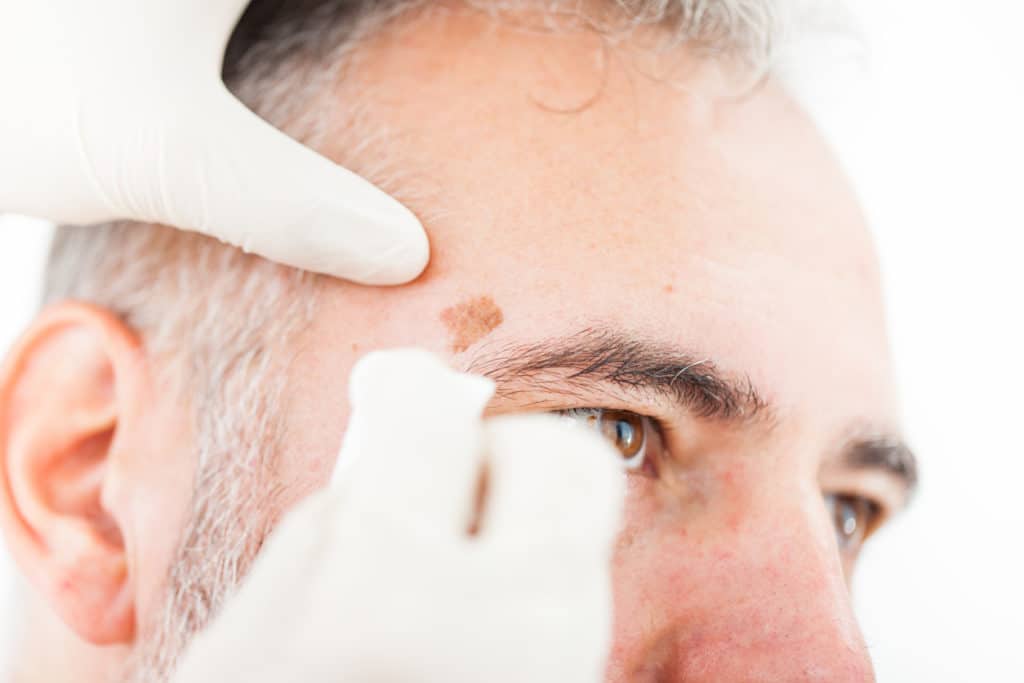
Mohs surgery is a precise method for removing certain skin cancers while preserving as much healthy tissue as possible. During a consultation with a Mohs surgeon, you review your diagnosis, learn how the staged procedure works, and discuss what to expect on the day of surgery. The visit helps match your medical history and skin cancer type with an appropriate treatment plan. This is what to expect at your consultation:
Local Anesthesia
During your consultation, the Mohs surgeon explains how local anesthesia numbs the treatment area. You hear where the injections go, how long the numbing typically lasts, and what sensations to expect. The surgeon describes how you stay awake while the skin is treated, and they outline how staff monitor your comfort. You discuss any previous reactions to numbing medicine, so the team tailors the anesthetic choice to your health profile.
Initial Consultation
The initial consultation reviews your medical history, examines the lesion, and clarifies your diagnosis. The Mohs surgeon studies the location, size, and appearance of the skin cancer, and they may compare these findings with prior biopsy reports. You talk about medications, allergies, and past procedures, while the surgeon evaluates how these factors influence treatment. The visit also sets expectations for the length of the surgery day. They may ask about:
- The patient’s general health history and any chronic conditions
- The patient’s medications, supplements, and known allergies
- The biopsy report and type of skin cancer diagnosed
- The location and size of the lesion on the skin
- The arrival time and transportation
Layered Procedure Explanation
During this part of the consultation, the surgeon explains how Mohs surgery removes cancer in thin layers. You learn that a single layer is taken first, processed in an on-site lab, and examined under a microscope while you wait. If any cancer cells remain at the margin, another layer is removed only from the area where tumor persists, which protects nearby healthy tissue.
The surgeon also walks through what happens between each stage while the tissue is analyzed. You stay in a waiting area or treatment chair, and the team checks the surgical site and your comfort level. Since each analysis stage takes time, the total visit may last several hours.
Recovery expectations for the layered approach are also discussed. The Mohs surgeon outlines typical sensations, and this may include pressure during tissue removal and tightness around the wound afterward. You learn how the number of stages influences the final wound size, which then guides the repair method selected at the end of the procedure.
Surgical Plan
Once your diagnosis, medical history, and lesion features are reviewed, the surgeon describes a tailored surgical plan. You hear whether simple closure, skin flaps, or grafts are likely, and you discuss how each option affects scar placement. The surgeon outlines activity limits after surgery, so you arrange work and home responsibilities in advance.
The plan also includes preoperative instructions and follow-up timing. You receive guidance about medications that may need adjustment before surgery. The surgeon explains when you return for bandage changes and suture removal, and they describe signs that warrant prompt contact with the office. This structured plan links the consultation discussion to clear next steps.
Book a Mohs Surgeon Consultation
During your visit, you review your pathology report, skin exam findings, and treatment options in a single appointment. Mohs surgery is a precise method, and it removes skin cancer while preserving as much normal tissue as possible. A consultation helps align your medical needs, schedule, and expectations with a clear plan for care.
