

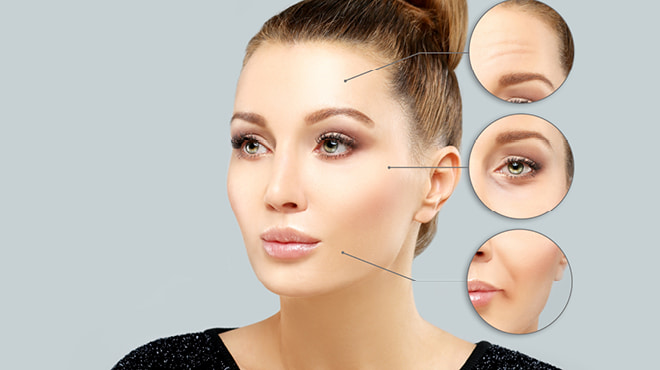
Botox is a purified form of botulinum toxin type A, and providers inject it in small doses to relax specific facial muscles. When these muscles relax, the skin above them creases less often. The treatment is commonly used to reduce the appearance of dynamic wrinkles and other signs of aging. Here is some information about the impact of Botox on aging:
Softens Existing Lines
Repeated facial movements form dynamic wrinkles over time. Frowning, squinting, and raising your eyebrows repeatedly fold the skin in the same places. After Botox relaxes the muscles behind these folds, the skin lies flatter. Results usually appear within a few days, and they reach full effect after several weeks. Common treatment areas include:
- Forehead
- Lines between the brows
- Crow’s feet near the eyes
Fine lines often fade noticeably, and deeper lines soften even if they do not disappear completely. Lines that remain visible at rest may need several sessions. Some providers pair Botox with dermal fillers for static wrinkles that do not respond to muscle relaxation alone.
Limits Deeper Aging
Botox also works as a preventive treatment. Each time a muscle contracts, it creases the skin above it, and the collagen in that area weakens. Shallow creases turn into permanent grooves if this cycle continues for years. Regular treatments interrupt the pattern. Because the muscles move less, the skin has more time to recover between expressions. Some people start in their late 20s or early 30s and often need smaller doses than those who begin later. Starting early may slow how quickly new lines form. Some long-term users have fewer deep wrinkles than untreated peers of the same age. This helps maintain a smoother appearance as the skin ages.
Increases Skin Elasticity
Elasticity describes how well skin returns to its shape after it stretches. It declines with age as collagen and elastin production slows. Botox may improve elasticity in treated areas, and the effect appears to build over several months. The toxin sometimes influences the cells that produce collagen. These changes may become more noticeable with consistent treatment over time.
Reduced elasticity often makes fine lines and loose skin more noticeable, particularly around the cheeks and jawline. These changes may also affect how defined facial contours appear. Firmer, more resilient skin holds its shape better. This benefit is modest compared with wrinkle reduction. Hydration, sleep, and sun protection also affect elasticity, so treatment works alongside daily habits. You can ask your provider which skincare products, such as retinoids and daily sunscreen, will support these results.
Schedule Botox Treatments
Botox can address visible signs of aging by softening existing wrinkles, helping prevent deeper lines, and potentially improving skin elasticity. Results vary depending on various factors. Age, skin condition, and treatment frequency all influence your results. An aesthetic dermatologist evaluates your skin and determines which areas may benefit from injections. They also recommend a treatment schedule based on your goals. Combining professional treatments with consistent sun protection and other healthy skincare habits helps support your skin as it changes with age. Contact a dermatology clinic today to schedule a consultation.
