

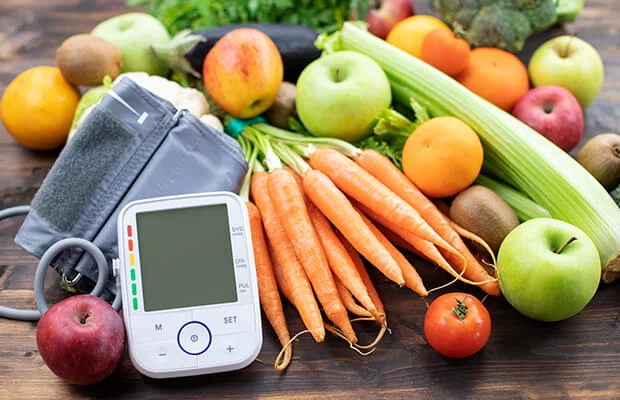
Hypertension, or high blood pressure, occurs when the force of blood against your artery walls stays elevated over time. Left unmanaged, it raises the likelihood of heart disease, stroke, and kidney damage. Daily habits play a measurable role in how your blood pressure behaves, and small changes can help support healthier levels. Here are some lifestyle adjustments to lower hypertension risks:
Dietary Shifts
What you eat has a direct impact on your blood pressure and overall cardiovascular health. Sodium is often a key factor, as many processed foods contain higher levels of salt than many people realize. Eating fewer packaged snacks, canned soups, and cured meats lowers your daily sodium intake. Potassium-rich foods, such as bananas, help balance sodium in the body, and they may contribute to improved blood pressure control.
The Dietary Approaches to Stop Hypertension (DASH) eating plan offers a structured starting point. It emphasizes:
- Vegetables
- Fruits
- Whole grains
- Lean proteins
- Low-fat dairy
The plan also recommends limiting saturated fat and added sugar. Small swaps add up over time. Choose water instead of soda, season meals with herbs rather than salt, and read nutrition labels. Alcohol also affects your numbers, so keeping intake moderate supports steadier readings.
Regular Exercise
Movement strengthens your heart so it pumps blood with less effort and lowers hypertension. Aerobic activity such as brisk walking, cycling, and swimming usually has the clearest effect on blood pressure. Consistency matters more than intensity; begin with short walks and increase duration each week as your stamina grows. Strength training often complements the aerobic work and supports overall fitness. Daily changes, such as taking the stairs or parking farther from the entrance, also help build good habits.
Weight Management
Carrying extra weight places additional strain on your cardiovascular system, so even modest weight loss can lower blood pressure. A loss of one to two pounds per week is a realistic pace for many people. Measure your waist circumference alongside the scale, since fat stored around the midsection carries particular risk for the heart. This type of fat canincrease inflammation and contribute to higher blood pressure, cholesterol problems, and other heart-related risks.
Weight management also impacts how effectively blood pressure treatments work. Some people see improvements in their blood pressure readings as weight-related changes reduce stress on the cardiovascular system. Tracking weight trends over time can provide useful information during routine healthcare visits, and it helps guide personalized blood pressure management.
Learn More About Hypertension
Lifestyle adjustments are typically most effective when you develop consistent, routine habits. Changes rarely happen overnight, so long-term diet and exercise are key for managing high blood pressure. Track your blood pressure at home, write down your readings, and share them with your healthcare provider during checkups. Everyone responds differently, so a clinician helps you build a plan suited to your history and current health. Speak with your doctor before making major changes, especially if you take medication or manage another condition. Schedule an appointment with a cardiovascular specialist today to learn more about hypertension management.
