

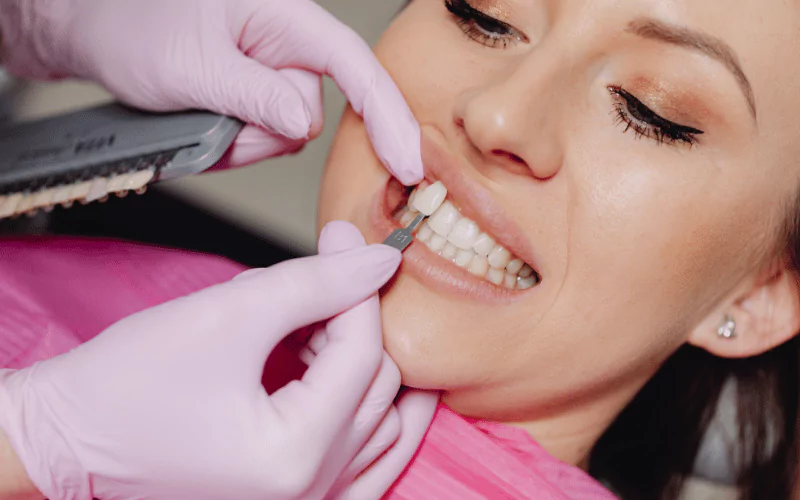
Cosmetic dentistry is a branch of dental care focused on improving the appearance of your teeth, gums, and overall smile. Treatments range from simple whitening procedures to more involved restorative options, and each one is designed to address specific visible concerns, such as chips or stains. Here are several areas where cosmetic dentistry delivers clear, practical results and what to expect from each service:
Whitening and Brightening Smiles
Tooth discoloration is one of the most common visible dental concerns, and professional whitening directly addresses it. Stains develop through daily exposure to food, drinks, and general wear, building up gradually over time. Dentists offer two primary whitening approaches: in-office treatments and take-home kits with custom trays.
In-office whitening uses professional-grade products, such as gels, applied under dental supervision; this allows for precise, controlled results. Take-home kits give you the flexibility to whiten at your own pace, while still following a plan set by your dentist. Both options aim to reduce discoloration and produce a more uniform tooth color across the smile.
Restoring Shape and Structure
Cosmetic dentistry addresses the physical shape and surface of individual teeth. Veneers and dental bonding are two practical tools for this purpose, and each serves a distinct role in restoring a uniform appearance. Veneers are thin, custom-made shells that bond to the front surface of teeth. A dentist designs each one to match the shape, size, and color of the surrounding teeth, so the result looks consistent. Chips and stains that resist whitening both fit within the range of concerns veneers can address.
Dental bonding works differently; a dentist applies a tooth-colored resin directly to the tooth and shapes it to correct small imperfections. They then harden the restoration in place. The resin blends with the natural tooth color for a seamless finish. These two treatments work well on their own, but dentists may also combine them when multiple concerns need to be addressed. Here’s what each option targets:
- Veneers: Address chips, stubborn stains, uneven edges, and minor spacing issues
- Dental bonding: Corrects small chips, gaps, and surface irregularities in a single visit
- Combined approach: Addresses multiple visible concerns and provides a consistent appearance while preserving as much natural tooth structure as possible.
Aligning and Spacing Teeth
Tooth alignment plays a fundamental role in the overall appearance of the smile. When teeth are crowded, gapped, or uneven, the spacing disrupts the visual balance that makes a smile look aesthetically pleasing. Clear aligners offer a practical solution for these situations without traditional metal hardware. Aligners are a series of removable trays that gradually shift teeth into a straighter position. A dentist builds a step-by-step treatment plan, and they provide trays for each stage of the process. Because the trays are clear and removable, they stay discreet during daily wear, which makes them a helpful option for adults and younger patients alike. The result is a more evenly spaced, balanced smile achieved through a structured, supervised process.
Consult a Cosmetic Dentistry Professional
Cosmetic dentistry offers a range of treatments, including whitening, veneers, bonding, and alignment, to address visible dental concerns in a practical, targeted way. Each option serves a clear purpose, and many work well in combination to deliver a coordinated result. The right plan depends on your specific goals and the concerns you want to address, such as a chipped front tooth. Schedule a consultation with a dental professional to review your teeth and discuss treatment options that fit your goals.
