

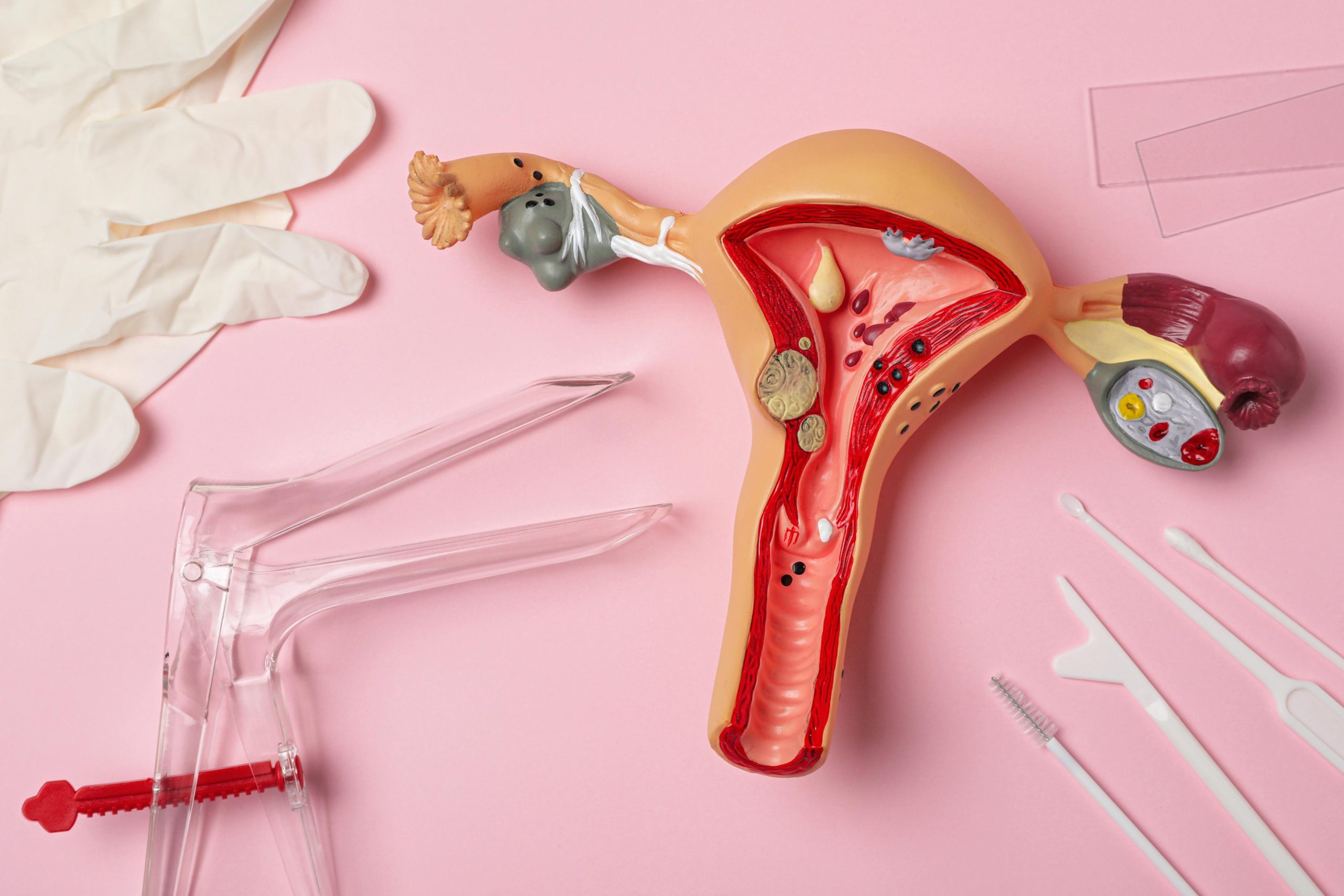
Pap smears are routine screening tests that detect early cervical cell changes before they develop into serious health concerns. A gynecologist explains when screening is needed, what the test involves, and how results may guide follow-up care or preventive treatment. Here is a closer look at the role of Pap smears with your gynecologist:
Screening Cervical Health
Cervical health screening focuses on the cells that line the cervix, and a Pap smear is one tool used for this purpose. A gynecologist collects a small sample of cells, then a lab reviews them for any changes. The test is brief, while the information it provides supports ongoing care decisions. Your gynecologist may suggest a schedule based on your age and history.
Different people follow different screening timelines, and your gynecologist will explain what aligns with your situation. Some visits combine a Pap smear with other checks, though the cell sample remains the main focus. The goal is to track changes over time, and regular screening gives your provider a clear picture.
Preparing for the Appointment
A few steps can help you get ready for your Pap smear with your gynecologist and make the visit go smoothly. Here are some key preparation steps:
- Schedule around your cycle: Book the test for when you are not menstruating, as menstrual flow can affect the sample.
- Avoid certain products: Skip vaginal creams, douches, or spermicides for a few days to prevent them from altering results.
- Skip intercourse: Avoid sex for one to two days before the test, because this can change the cell sample.
- Write down questions: Note any concerns you want to raise with your provider during the procedure.
These actions support an accurate sample, and they allow you to focus on your conversation with your gynecologist.
Understanding the Test Process
During the test, you will lie on an exam table, and your gynecologist will use a tool called a speculum to view the cervix. The provider then takes a small sample of cells with a soft brush or spatula. People may feel mild pressure, though the sensation usually passes within seconds.
You may speak up at any point, and your gynecologist will pause if you need a moment. Telling your provider about past discomfort is helpful, as it allows them to adjust their approach. Some find that relaxing the lower body eases the pressure, and others prefer a clear step-by-step explanation. Open communication makes the experience easier to manage. After the sample is collected, your gynecologist removes the speculum. You can usually return to normal activities right away, though light spotting may occur for a short time.
Reviewing Results and Follow-Up Care
Once the lab reviews your sample, your gynecologist shares the findings, and the next steps depend on the results. Here are common outcomes and what they may mean:
- Normal results: The cells appear normal, and your gynecologist may suggest scheduling your next test on a routine basis.
- Unclear results: The sample needs a repeat test, as some cells were difficult to read or the timing may have affected the sample.
- Abnormal results: The cells show changes, so your gynecologist may recommend further testing to gather more detail.
- Follow-up testing: Your provider may suggest a closer look at the cervix to clarify any earlier findings.
These outcomes guide your care plan, and your gynecologist will explain each option so you understand what comes next.
Consult a Gynecologist Today
A Pap smear is a short screening test your gynecologist uses to check cervical cells and track changes over time. Preparing for the procedure supports an accurate sample, and open communication can make the test easier to manage. Your results, whether normal, unclear, or abnormal, shape the follow-up care your gynecologist recommends. Contact a qualified gynecologist near you to schedule your appointment today.
