

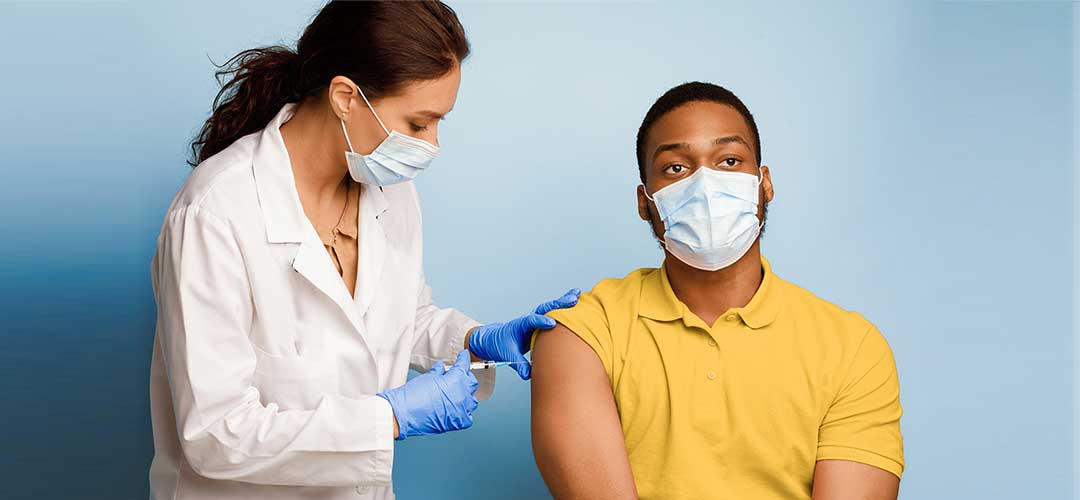
Vaccinations prepare the body to fight disease. They prompt the immune system to recognize threats before exposure, and this early preparation supports protection over time. The immune system responds to specific antigens, and vaccines are used in preventive healthcare to reduce the risk of serious illness from bacterial and viral infections. This process helps the body recognize threats more efficiently when exposure occurs.
What Vaccinations Are
Vaccinations are injectable substances. The active ingredient in every vaccine is an antigen, and that antigen prompts the immune system to develop a response to specific diseases. An antigen is any substance that triggers the production of antibodies, and it may take the form of a weakened or killed organism, a piece of its surface or genetic material, or a treated bacterial toxin. These components are designed to activate the immune response without causing full disease.
Several terms describe this field. Vaccination delivers vaccines into the body; immunization refers to the development of protection, and immunity is the result of that protection. People often use these terms interchangeably, and each one relates to how the body responds to infection over time. Immunity refers to resistance to disease, and that resistance depends on the immune system’s memory.
How Vaccinations Work
Vaccines imitate an infection. When the body recognizes an antigen, white blood cells begin producing antibodies, and these proteins identify and neutralize foreign substances so the body can respond effectively. This controlled exposure engages natural defenses, and it allows the immune system to respond without the risks of full infection.
The immune system develops memory after exposure. After white blood cells clear a threat, some cells remain in the body, and they support a faster response if the same antigen appears again. Some pathogens can overwhelm the body during natural infection, so vaccines introduce a weakened or inactivated form that triggers an immune response in a controlled way.
Protection builds over time. A person may become infected shortly after vaccination because the immune response develops gradually, and vaccinated individuals can still experience illness in some cases. However, vaccination reduces the risk of severe outcomes compared to an unvaccinated immune system, and that difference reflects how immune memory changes response strength.
Many vaccines require more than one dose. A single dose may not create full immune protection, and additional doses strengthen or extend that response. Some vaccines are updated when pathogens change. These updates support immune recognition of newer forms of the virus or bacteria, and boosters are sometimes used to maintain protection over time.
How Needs Get Determined
Vaccine needs change across a lifetime. Children receive recommended vaccines early in life, and these doses help establish immune protection. Adults may have gaps in their vaccination history, and those gaps are addressed when providers review medical records.
Recommendations follow established schedules. Public health and medical organizations provide guidance based on age, health status, and risk exposure. Children and adolescents may require catch-up doses, and adults may need boosters or additional vaccines depending on prior immunization history.
A medical visit helps determine specific needs. A provider reviews immunization records, and that review identifies missing or recommended vaccines. Personal records help guide decisions, and they provide accurate information about past vaccinations and current protection status.
Schedule Your Vaccination Review
Vaccinations support preventive healthcare by preparing the immune system before exposure to disease. They train immune responses, reduce the risk of severe illness, and support long-term protection against specific pathogens. Vaccination needs vary by age and health status, so reviewing immunization history helps identify what is recommended. A healthcare provider can review your records and help determine which vaccines apply to you.
